September 16, 2026
Many homes have layouts and features that reflect the time when they were built. Closed-off kitchens, small rooms, limited storage, outdated bathrooms, and inefficient floor plans can make an otherwise well-built home feel less functional. As lifestyles change, homeowners often want living spaces that better accommodate entertaining, working from home, growing families, and everyday activities.
A professional home remodeler can help transform an outdated property into a space that better meets modern needs. Remodeling may involve relatively simple cosmetic updates or major changes to a home's layout and structure. By combining careful planning, construction knowledge, and an understanding of current design preferences, a remodeler can help homeowners improve both the appearance and functionality of their property.
Beyond making a home more enjoyable, remodeling may also provide financial benefits. According to HomeGuide, home remodeling projects typically provide a return on investment ranging from approximately 50% to 85%, although the actual return can depend on the project, location, market conditions, and quality of the work. Whether a homeowner wants to update one room or reimagine an entire house, professional planning can play an important role in achieving successful results.
What Steps Do Home Remodelers Take During a Project?
A successful remodeling project usually begins long before construction starts. The first step for a home remodeler is typically meeting with the homeowner to discuss the property's current condition, the homeowner's goals, and the desired improvements.
During the initial consultation, homeowners may explain what they dislike about their existing space. For example, they may want to remove a wall between the kitchen and living room, create additional storage, modernize an outdated bathroom, or improve the flow between different areas of the home. The remodeler can evaluate these goals and discuss potential solutions.
The next stage often involves planning and design. Depending on the scope of the project, this may include measurements, drawings, material selections, and discussions about finishes. Careful planning helps identify potential concerns before construction begins.
Once the design and scope of work are established, the remodeling process can move into preparation and construction. This may involve obtaining permits, ordering materials, coordinating subcontractors, and preparing the work area.
During construction, a home remodeler may coordinate multiple aspects of the project. Electricians, plumbers, painters, flooring professionals, and other tradespeople may all be involved, depending on the work being performed. Managing these different activities helps keep the project organized.
How Do Home Remodelers Incorporate Modern Design Trends?
Modern design trends can influence the appearance and functionality of a remodeling project. However, a professional home remodeler should consider more than simply following whatever happens to be popular at the moment. The best remodeling decisions often balance contemporary preferences with practical needs and long-term appeal.
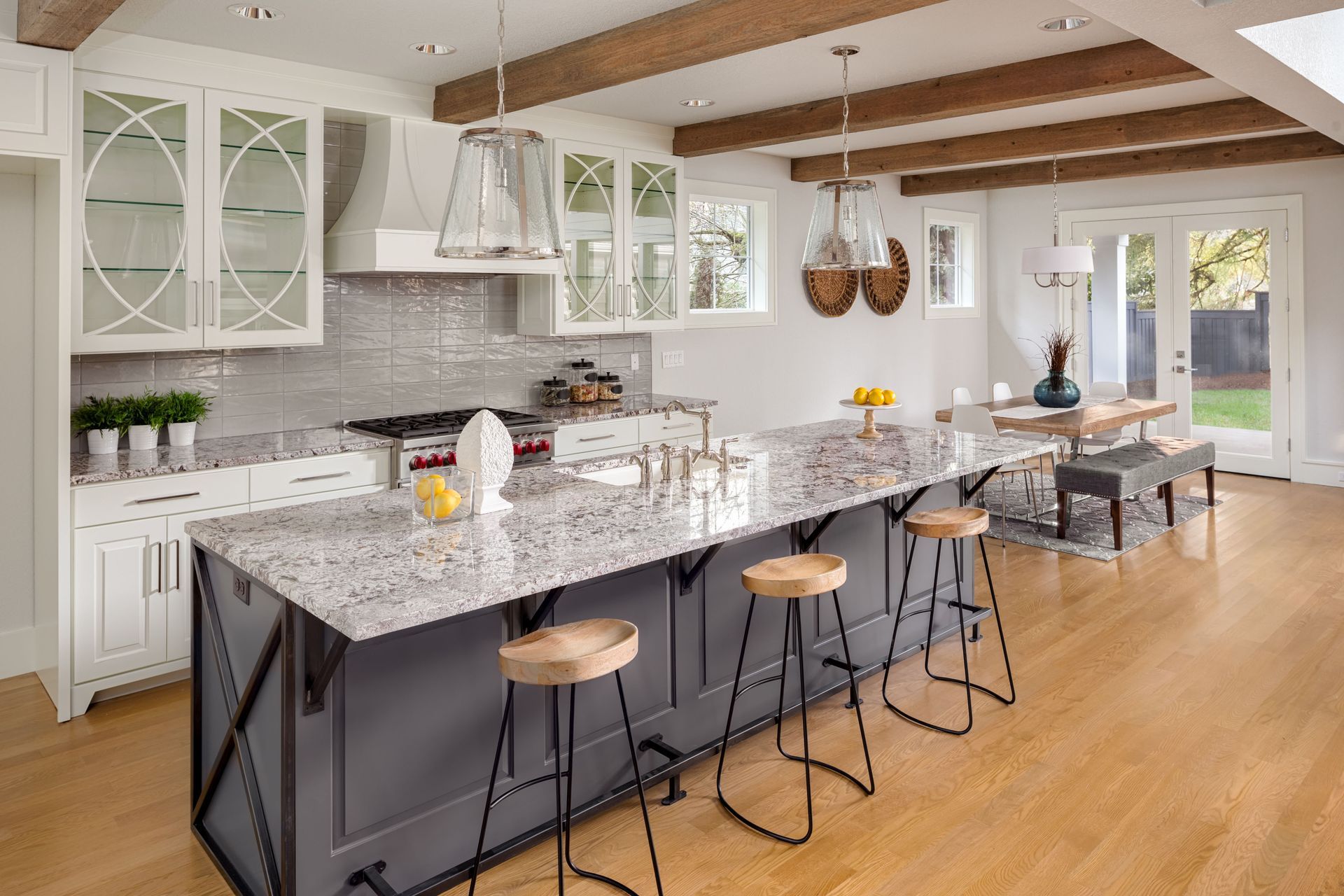
One common goal is creating more open and connected living spaces. Older homes frequently feature separate rooms with walls that limit visibility and movement. When structurally possible, remodeling can create a more open connection between kitchens, dining areas, and living rooms.
Natural light is another important consideration in modern home design. Remodelers may recommend larger windows, improved lighting fixtures, or layout changes that allow light to move more effectively throughout the home.
Storage is also a major priority for many homeowners. Modern remodeling projects may include built-in shelving, larger closets, pantry systems, and customized cabinetry. These improvements can reduce clutter while making better use of the home's available square footage.
Current design preferences may also include energy-efficient features. Updated windows, insulation, appliances, lighting, and heating and cooling systems can potentially improve comfort while reducing energy consumption.
What Are the Most Common Challenges Faced by a Home Remodeler?
Remodeling an existing home can present challenges that are not always visible during the initial planning stages. Unlike new construction, remodeling often requires professionals to work around existing structures, systems, and materials.
One common challenge involves unexpected structural issues. After walls, flooring, or ceilings are opened, contractors may discover water damage, deteriorated framing, or other concerns that require repairs. Addressing these issues can be necessary before the remodeling work can continue.
Outdated electrical and plumbing systems may also create complications. Older homes may have wiring or pipes that do not meet current needs or building requirements. Updating these systems can add work to a project but may be important for safety and functionality.
Another challenge involves the discovery of outdated or damaged materials. Previous renovations may have been completed using methods that differ from current building practices. A professional home remodeler must evaluate the existing conditions and determine the most appropriate way to move forward.
Material availability can also affect a remodeling project. Certain products may have longer lead times, particularly custom cabinets, specialty fixtures, or specific building materials. Planning and ordering materials early can help reduce potential delays.
How Does a Home Remodeler Keep Projects on Schedule and Within Budget?
Timelines and budgets are among the most important concerns for homeowners. Remodeling projects involve many moving parts, and unexpected delays or expenses can occur. A professional home remodeler uses planning and communication to help manage these challenges.
Establishing a clear scope of work is one of the first steps toward maintaining a realistic budget. The homeowner and remodeler should have a shared understanding of what work will be performed and which materials will be used. Detailed planning can reduce confusion once construction begins.
A realistic project schedule is equally important. Different stages of remodeling must occur in the correct order. For example, structural work and rough plumbing or electrical work may need to be completed before drywall and finishing work can begin.
Coordination with subcontractors also plays an important role. Scheduling electricians, plumbers, flooring installers, and other professionals at appropriate times can help prevent unnecessary downtime.
Communication is especially important when changes occur. Homeowners may decide they want different materials or additional features after construction begins. While these changes may improve the final result, they can also affect the budget and timeline. A home remodeler can explain the potential consequences of changes so homeowners can make informed decisions.
What Factors Should Homeowners Consider When Choosing a Home Remodeler?
Choosing the right professional can significantly affect the remodeling experience and final results. Homeowners should take time to research their options before committing to a contractor.
Experience is an important factor to consider. A remodeler with experience completing similar projects may be better prepared to understand the requirements and potential challenges involved. Homeowners can ask about previous work involving kitchens, bathrooms, additions, layout changes, or other relevant projects.
A portfolio can provide valuable insight into a contractor's capabilities. Looking at completed projects may help homeowners determine whether the remodeler's work aligns with their desired style and expectations.
References and reviews can also be helpful. Speaking with previous clients or reading feedback can provide information about communication, reliability, workmanship, and overall customer experiences.
Homeowners should also discuss licensing, insurance, permits, and project management practices. Requirements can vary by location and project type, so it is important to understand who will be responsible for different aspects of the work.
Communication should not be overlooked. Remodeling can take weeks or months, depending on the project's scope. Homeowners should feel comfortable discussing questions and concerns with their chosen home remodeler. A professional who communicates clearly can help reduce misunderstandings throughout the project.
From the initial consultation through the final finishing details, a professional home remodeler can help guide the process of turning ideas into completed spaces. Careful planning, knowledge of modern design trends, effective project management, and the ability to address unexpected challenges all contribute to successful results.
Whether the goal is an open-concept kitchen, a more functional bathroom, improved storage, or a completely updated floor plan, the right
home remodeler can help make meaningful improvements to an existing home. By researching potential professionals and clearly communicating their goals, homeowners can take an important first step toward creating a space that is comfortable, attractive, and designed for modern living. If you're looking for home remodeling, reach out to the team at C & M Builders and Renovations LLC today!